What One Hurricane Taught the Commercial Construction Industry
August 24, 1992. Hurricane Andrew slammed into South Florida with 165 mph winds and changed coastal construction forever. In the aftermath, Miami-Dade County didn’t just rebuild—they rewrote the rulebook, creating what’s now known as the High-Velocity Hurricane Zone (HVHZ) with the most stringent building codes in the United States.
Our Force Five hurricane-resistant panels were engineered specifically to meet these demanding standards. With Notice of Acceptance (NOA) approvals for design pressures of 75 psf and 120 psf, these commercial-grade steel wall panels are built to handle wind forces that occur when major hurricanes make landfall along the Gulf Coast. When wind speeds hit 175 mph, proper hurricane-resistant building panels aren’t optional; they’re the difference between structures that stand and those that fail.

The Hidden Math Behind Skipping Proper Panels
Here’s what contractors need to understand about hurricane-resistant panels: the difference between 140 mph wind resistance and 175 mph resistance isn’t marginal—it’s exponential.
Wind pressure increases with the square of wind speed. That means 175 mph winds don’t create 25% more force than 140 mph winds; they create nearly 56% more pressure on your building envelope. When developers cut corners with standard wall panels to save upfront costs, they’re gambling with physics they can’t negotiate with.
Insurance companies understand this math perfectly. HVHZ-compliant buildings in Fort Lauderdale sustained minimal damage during Hurricane Irma, while adjacent structures without proper hurricane-resistant panels reported catastrophic failures and water intrusion. The premium increases alone on non-compliant buildings now exceed the cost difference of installing proper panels in the first place.
How Force Five Panels Handle What Standard Siding Can’t
Our Force Five system uses 20-gauge galvanized steel with a tongue-and-groove design reinforced by locking clips. The panels install with hidden fasteners, eliminating the weak points that exposed fastener systems create in high-wind events.
Our 3 different series panels meet different commercial project requirements:
STK2500 – Signature Series (Textured Proprietary Finish)
- Stucco-textured steel panel with aesthetic appeal that architects demand
- 7/8″ thickness, 16″ face width (18.95″ O.A.)
- Lengths up to 33 feet minimize seams and potential failure points
- 20 standard colors with custom colors available
- 20-year warranty
- Miami-Dade County approved
STK1500 – Classic Series (Embossed Kynar Finish)
- Superior UV resistance for long-term professional appearance
- 7/8″ thickness, 16″ face width (18.95″ O.A.)
- Lengths up to 33 feet
- 4 standard colors with custom color options
- 20-year warranty
- Miami-Dade County approved
STK5500 – Impression Series (Embossed Acrylic Finish)
- Custom-colored options, including branded colors for national chains
- 7/8″ thickness, 16″ face width (18.95″ O.A.)
- Maximum design flexibility with full Miami-Dade approval
- 20-year warranty
- Miami-Dade County approved
All three series share the fundamental advantage: they’re engineered to protect commercial buildings when sustained winds exceed 150 mph.
Year-Round Installation in Hurricane Country
One practical advantage of steel hurricane-resistant panels that commercial contractors appreciate: weather-independent installation. Field-applied stucco systems require specific temperature and humidity conditions. Weather delays cost money and push projects into hurricane season.
Our factory-finished panels install in any weather conditions, which matters when you’re racing to close the building envelope. The tongue-and-groove system with locking clips makes installation straightforward, reducing both labor costs and the skilled labor challenges that plague coastal construction markets.
Key installation advantages:
- No weather-related delays
- Faster installation than field-applied finishes
- Reduced specialized labor requirements
- A hidden fastener system for a clean appearance
- Lengths up to 33 feet reduce seam count
The Gulf Coast Reality Nobody Talks About
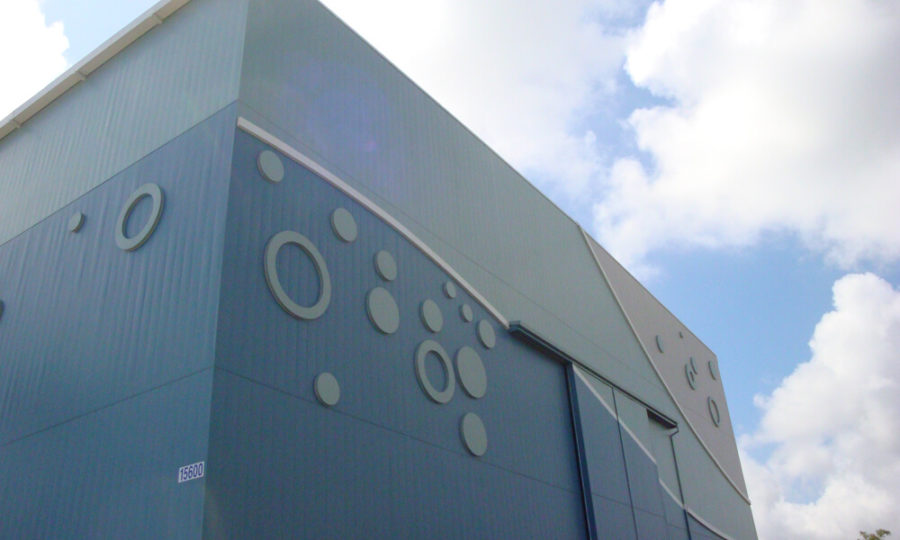
From Corpus Christi to Key West, coastal building codes keep getting stricter for one reason: storms keep getting stronger. Hurricane Ian’s $112 billion in damages. Hurricane Michael’s complete destruction of Panama City. Hurricane Helene’s devastating impact in 2024. These aren’t isolated incidents; they’re the new baseline.
The insurance industry has responded accordingly. Commercial buildings without proper hurricane-resistant panels now face premium increases that dwarf the upfront cost difference between code-minimum construction and HVHZ-compliant materials.
Texas builders working in Galveston or Corpus Christi face this calculation on every coastal project. Florida contractors from Pensacola to Miami deal with it daily. The math is brutal but simple: invest in proper hurricane-resistant building panels now, or pay exponentially more in insurance premiums, repairs, and liability for the next 30 years.
Fire Protection for Dense Coastal Development
Steel hurricane-resistant panels deliver a critical secondary benefit for commercial construction: inherent fire resistance. In dense coastal developments where commercial buildings sit close together, fire-resistant exterior cladding isn’t just about code compliance; it’s about protecting entire business districts.
Our 20-gauge steel construction provides Class A fire rating without additional treatment or maintenance requirements. For commercial property owners and developers, this translates to:
- Lower insurance premiums
- Enhanced tenant safety
- Compliance with strict fire codes
- Protection for adjacent properties
- Long-term asset value preservation
Energy Efficiency That Reduces Operating Costs
The same structural integrity that makes Force Five panels hurricane-resistant also creates superior thermal performance compared to traditional commercial siding materials. Properly installed steel panels with appropriate insulation backing reduce cooling loads in hot, humid Gulf Coast climates.
Lower energy consumption means reduced operating costs and improved property values. For commercial developments, this translates directly to tenant retention, competitive lease rates, and stronger NOI performance.
What Commercial Contractors Need to Know
If you’re bidding coastal projects in Texas, Louisiana, Mississippi, Alabama, or Florida, here’s the reality: building inspectors in HVHZ areas don’t compromise. Your wall panel system either carries proper Miami-Dade approvals or it doesn’t make it past plan review.
We manufacture these panels in Eagan, Minnesota, but we ship throughout the United States with many projects landing in Gulf Coast markets specifically because contractors and developers need Miami-Dade approved materials that arrive on schedule.
The Design Flexibility Commercial Projects Demand
Hurricane-resistant panels don’t have to look industrial. Our textured and embossed finish options provide the aesthetic appeal of high-end architectural finishes while delivering structural performance that traditional materials can’t match.
Color Options by Series:
- STK2500 (Signature Series): 20 standard colors plus custom colors available
- STK1500 (Classic Series): 4 standard colors with custom color options
- STK5500 (Impression Series): Full custom color capability, including branded colors for national retail and restaurant chains
This flexibility allows architects to create distinctive commercial buildings that meet the toughest wind codes without sacrificing design intent or brand requirements.
Making the Smart Investment
Coastal commercial construction requires materials that perform when it matters. Force Five hurricane-resistant building panels represent a larger upfront investment than standard wall panels, but they protect buildings when wind speeds exceed what most people ever want to experience.
If you’re planning a commercial project in a high-wind coastal area and need steel panels that meet Miami-Dade approval, we’d be glad to discuss your specific requirements.